Fog rolls in off Ocean Beach most afternoons in the Outer Sunset, and life here moves at its own steady pace. But emergencies don’t check the weather first. A choking incident at a café on Taraval, a fall on the Muni platform, a cardiac event at home while dinner’s on the stove — these things happen without warning, and the person standing closest is usually the one who has to act before paramedics can arrive. That’s the entire reason a CPR and First-aid Certification Course exists: to turn a bystander into someone who knows exactly what to do in the first few minutes.
Safety Training Seminars has been teaching these skills to San Francisco residents since 1989, and the Outer Sunset training center on Taraval Street has become a familiar stop for nursing students, dental staff, teachers, and neighbors who just want to be ready. This is a look at what the course actually covers, who tends to need it, and why the location matters more than people expect.
Common Questions People Ask Before Signing Up
Most people searching for CPR classes in San Francisco, CA land on the same handful of questions before they book anything.
Is this the same as BLS? Not exactly. CPR and First Aid training is built for the general public and workplace responders. BLS certification goes a step further and is designed for healthcare providers who need to demonstrate clinical-level competency.
Will my employer or school accept it? Yes. Courses follow current American Heart Association guidelines, and the certification is recognized by hospitals, clinics, schools, and employers throughout the Bay Area.
How fast can I actually finish? Faster than most people assume. The online portion typically takes a couple of hours at home, and the in-person skills check runs about 30 minutes.
| Feature | Details |
| Certification Body | American Heart Association (AHA) |
| Card Validity | 2 years |
| Same-Day eCard | Yes |
| Format | Online learning + in-person skills check |
| Weekend Availability | Yes |
| Location | Taraval Street, Outer Sunset |
| Parking | Street parking near the training center |
Top Benefits of Getting Certified Locally
There’s a real difference between driving across town for a class and finishing one a few blocks from where you already live or work.
- No wasted commute. Residents near West Portal, Stonestown, or SF State don’t need to cross the city for a class that fits into a lunch break.
- Flexible scheduling. Self-Guided Learning™ courses let you complete the online portion whenever it’s convenient, then finish the skills session on your own timeline.
- Same-day results. Most students walk out with their AHA eCard the same day they finish testing.
- Renewal is simple. Certifications are valid for two years, and returning students can usually recertify faster than first-time learners.
- Confidence that holds up under pressure. Skills are tested hands-on with a manikin and an instructor, not just multiple-choice questions.
According to the American Heart Association, immediate CPR from a bystander can double or even triple a cardiac arrest victim’s chance of survival. That single fact is why so many local employers, from dental offices to daycare centers, treat certification as a baseline requirement rather than a nice-to-have.
What Class Actually Looks Like
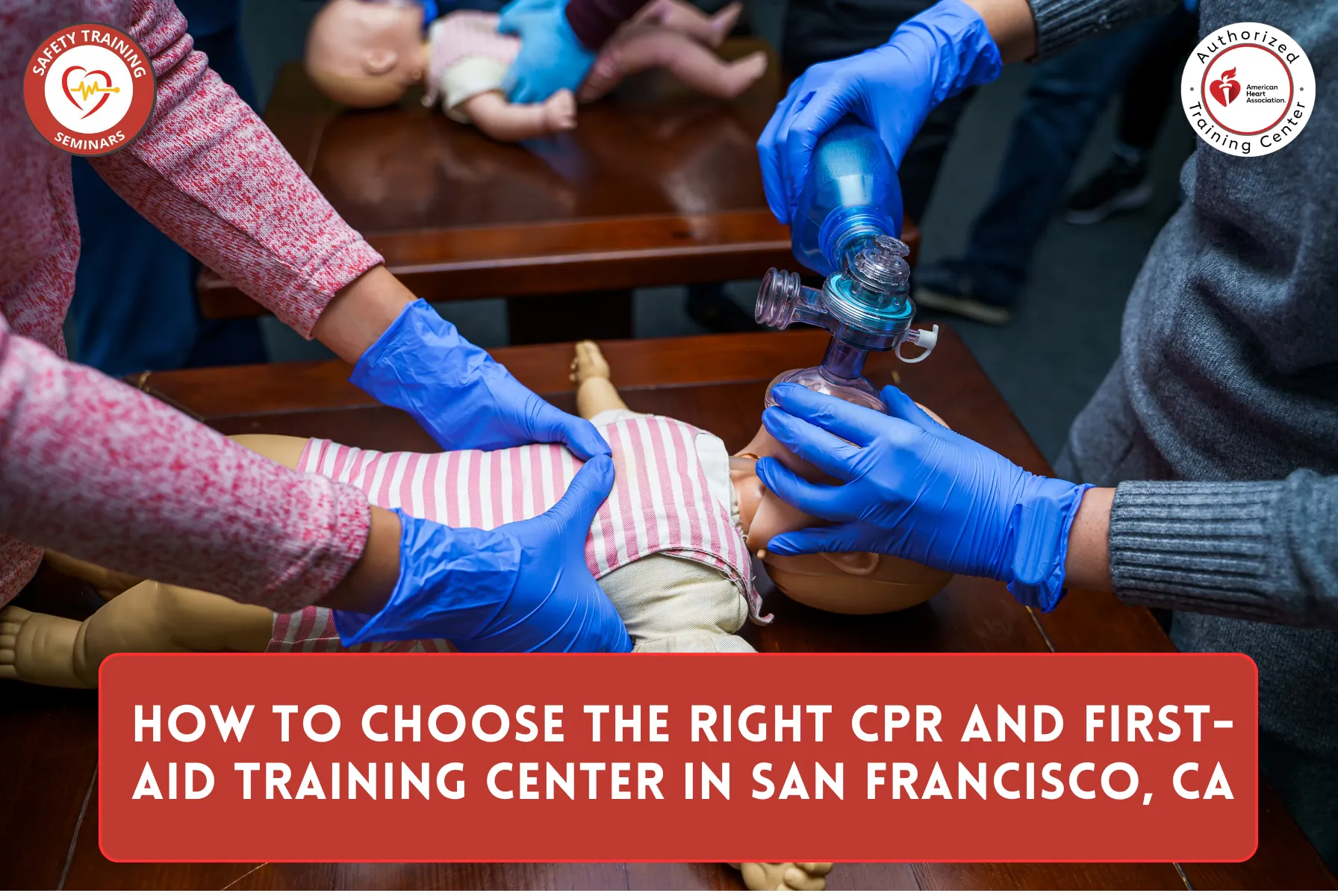
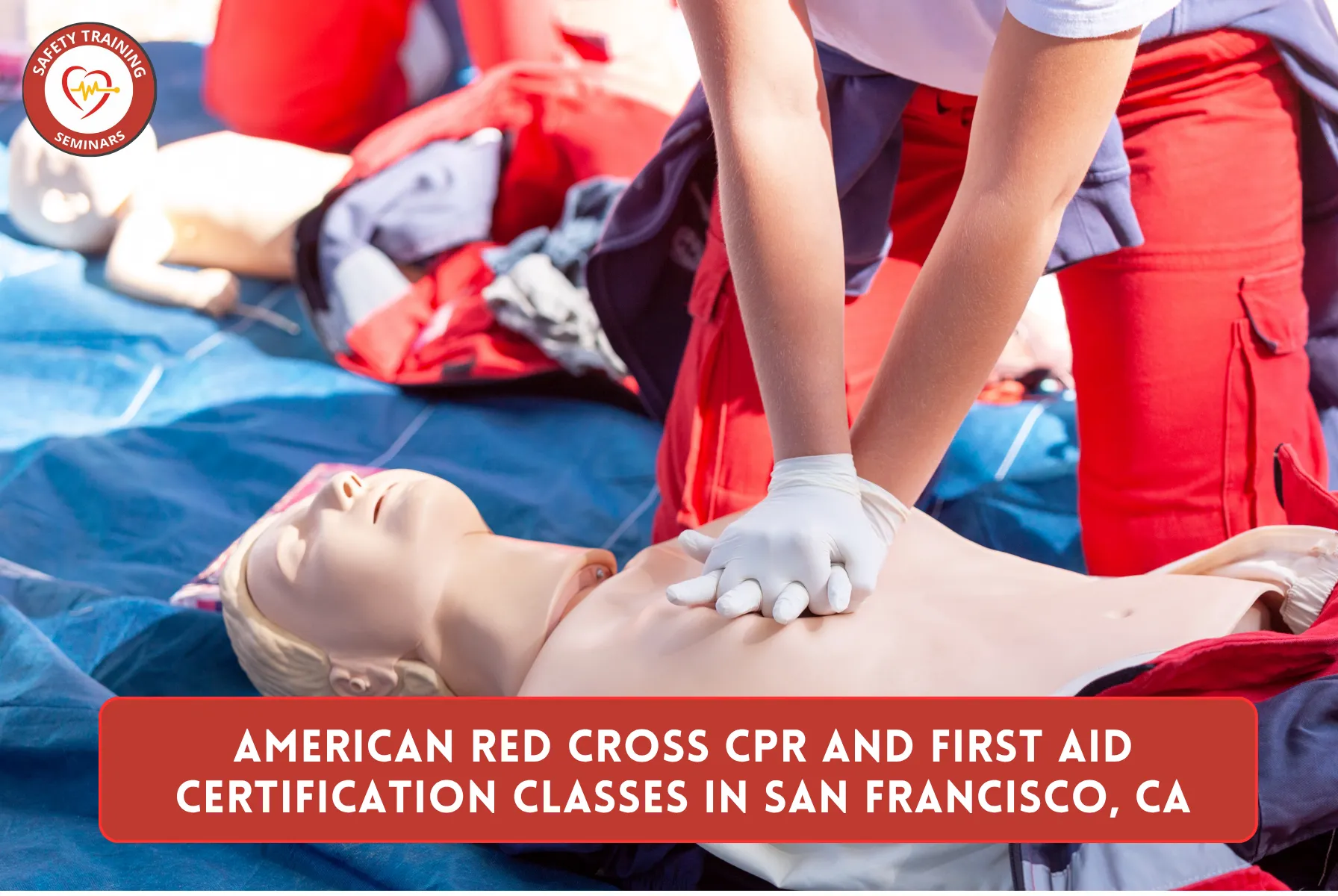
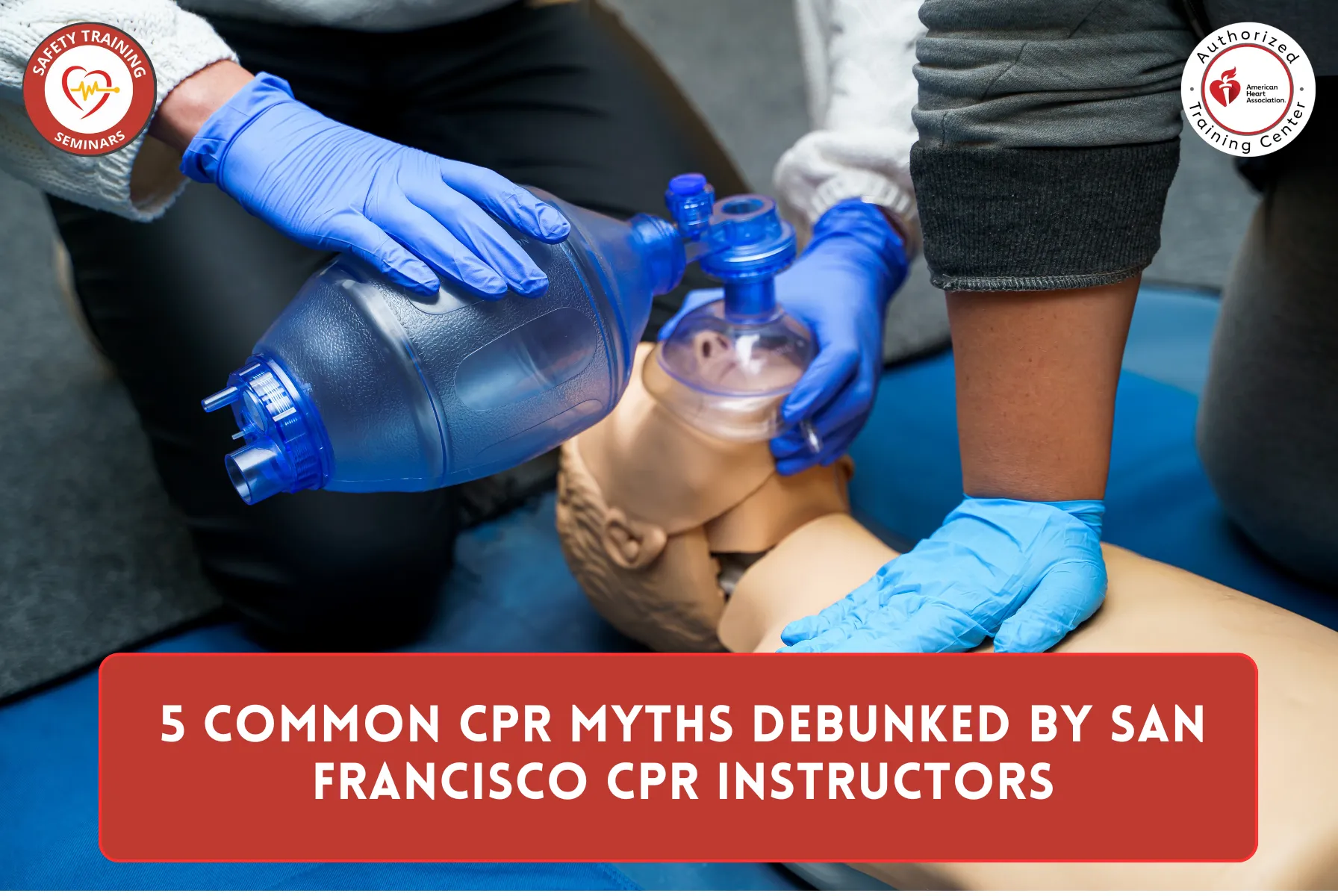
Walk into a session and you won’t find rows of desks and a lecture. Most of the time is spent on a manikin, not in a chair.
Students work through:
- Adult, child, and infant CPR technique, since the approach changes by age
- AED use, including placement and pad selection
- Choking response for both conscious and unconscious victims
- Rescue breathing and proper compression depth and rate
- Team-based response, so the skills translate to a real room with other people present
- A final skills check-off with an instructor before the card is issued
For the CPR and First Aid Classes track, that’s typically the full scope. Healthcare workers pursuing the Healthcare Provider BLS Course go further, adding two-rescuer scenarios and more clinically specific protocols through the HeartCode® Complete format.
Picture a second-year nursing student at the University of San Francisco, a few weeks out from her first hospital rotation. Her program won’t let her on the floor without proof of current BLS. Rather than scrambling the week before, she books an evening session on Taraval Street, finishes the online module between classes, and handles the skills test on a Saturday morning — done well before her deadline.
Local Resources Worth Knowing About
The Outer Sunset location sits within reach of some of the busiest medical employers in the city. Staff and students headed to UCSF Medical Center at Parnassus, Zuckerberg San Francisco General Hospital, or California Pacific Medical Center often certify here rather than downtown, since the L-Taraval Muni line runs straight to the training center. Nursing and pre-health students from San Francisco State University and the University of San Francisco make up a steady share of the class roster for the same reason — it’s close, it’s on a transit line they already use, and it doesn’t eat up a whole day.
Families near Stonestown Galleria or Lake Merced also come through for the general CPR and First Aid course, often after a scare involving a child at home or a parent who wants peace of mind. It’s not only a healthcare crowd. Teachers, coaches, and childcare staff throughout the western neighborhoods show up just as often, usually because their job or licensing board now requires it.
A Few Helpful Tips Before Your Class
- Book earlier than you think you need to. Same-day certification is available, but weekend slots fill up, especially near renewal deadlines for local hospital staff.
- Wear comfortable clothing. You’ll be kneeling and working on a manikin for part of the session.
- Bring a photo ID. It’s required for the skills check-in.
- Check which course you actually need. A PALS Certification is different from BLS, and enrolling in the wrong one wastes both time and money.
- Don’t wait until your card expires. Renewing a few weeks early avoids any gap in your certification.
Frequently Asked Questions
How long does CPR and First Aid certification last? The card is valid for two years from your completion date, matching current AHA standards.
Do I need to attend a full-day class? No. Most students complete a short online module first, then finish with a brief in-person skills session.
Is this course enough for a healthcare job, or do I need BLS? It depends on the role. General CPR and First Aid covers most non-clinical jobs, while healthcare employers typically require the American Heart Association BLS Certification instead.
Can I take this course if I’ve never done anything hands-on before? Yes. Instructors walk every student through the technique step by step before testing begins.
What happens if I fail the skills check? Instructors work with you until you’re comfortable, and most students pass on their first attempt after guided practice.
Do children’s daycare or school jobs require this certification? Many do, either through employer policy or state licensing requirements, so it’s worth confirming with your employer before your first day.
Is parking available near the Taraval Street location? Street parking is available nearby, and the L-Taraval Muni line stops close to the training center for those coming without a car.
Can I renew before my card actually expires? Yes, and renewing a few weeks ahead of the expiration date is common practice among returning students.
Ready When You Are
Being prepared for an emergency isn’t about expecting the worst. It’s about not freezing when something unexpected happens to a neighbor, a coworker, or your own kid. The Outer Sunset training center makes that preparation simple: a location on the Muni line, same-day certification, and a course schedule that works around actual jobs and actual lives. If a class fits your week, visit the CPR Certification Classes in San Francisco page to find an upcoming session, or reach out to the Taraval Street team directly to ask which certification matches your job, your school program, or your peace of mind.