Choosing a CPR and First-aid Certification Course takes more than finding the closest open seat. The class must issue an accepted credential, include hands-on practice, fit your schedule, and explain certification clearly. In San Francisco, that matters to nurses, childcare workers, coaches, and many other learners.
Safety Training Seminars provides local CPR, BLS, ACLS, PALS, NRP, and First Aid courses for healthcare professionals, students, workplace teams, and community members. Use these checkpoints to compare training centers.
Quick Decision Scorecard
| What to check | What a reliable center should explain |
| Credential | The exact AHA, Red Cross, or other card you will receive |
| Course content | The age groups, CPR skills, AED practice, and First Aid topics covered |
| Format | Classroom training or a clearly structured online-and-skills process |
| Evaluation | How the hands-on skills test is completed |
| Card timing | When and how certification is issued |
| Local access | Class times, street parking, and nearby Muni service |
| Total cost | Course fees, materials, card fees, and rescheduling terms |
1. Start With the Required Credential
“CPR certified” can describe several different courses. A teacher may need CPR, AED, and First Aid. A nurse may need an AHA BLS Provider card. A pediatric clinician could need both BLS and PALS. Choosing the wrong course may leave you with useful knowledge but a credential your organization will not accept.
Ask the organization requiring your training for the complete course name and issuing provider, then compare it with the center’s published information.
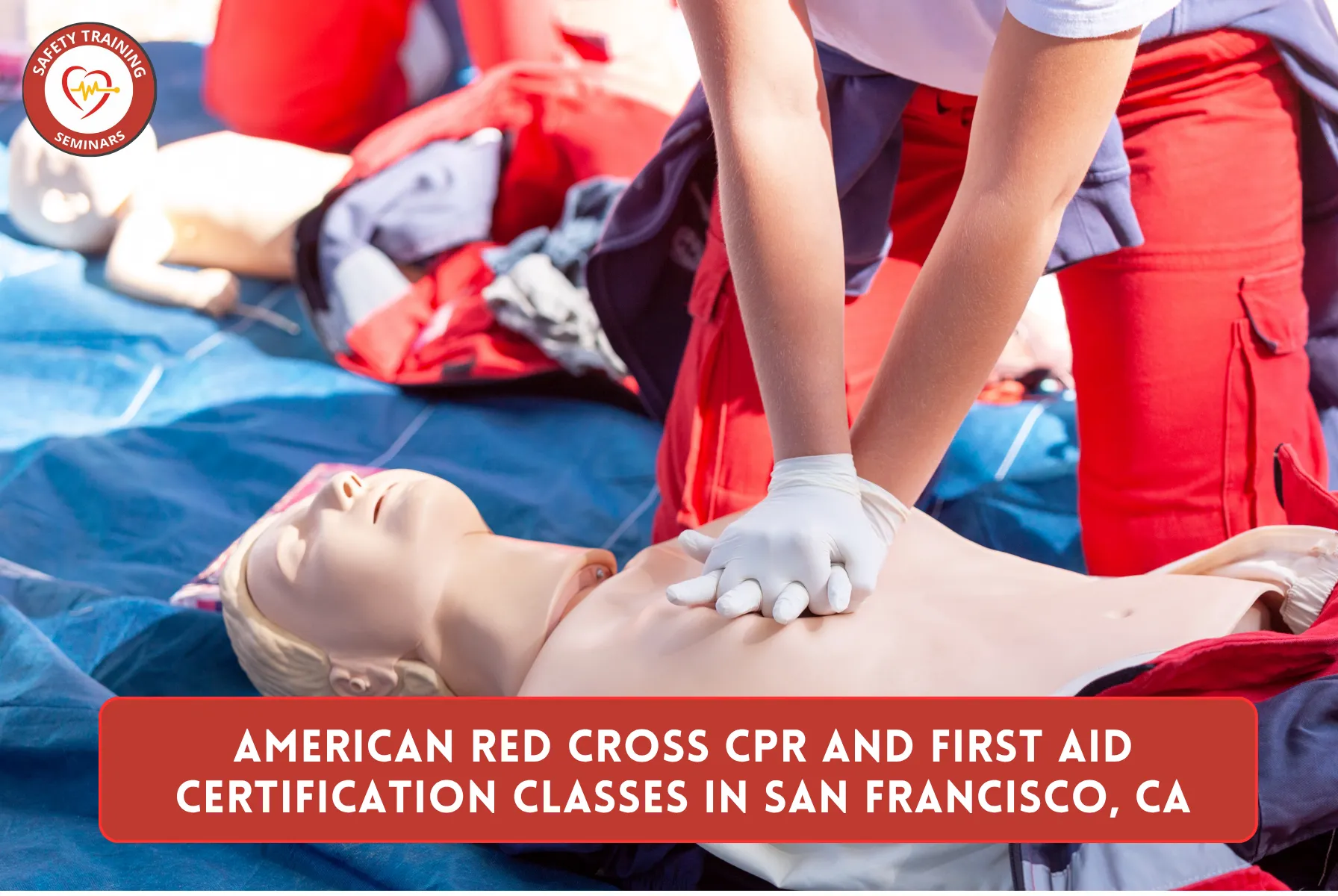
Safety Training Seminars lists a blended CPR and First Aid option for adults, children, and infants. Its course table identifies that option as a Red Cross course. The company separately offers American Heart Association programs, including an AHA BLS CPR Certification Class in San Francisco, CA. People seeking community or workplace training can review the CPR and First Aid certification classes in San Francisco, while healthcare workers should check the American Heart Association BLS Certification course.
2. Make Sure Online Convenience Still Includes Practice
Online lessons fit around work and school, but watching a demonstration is not the same as performing compressions or positioning AED pads.
The website lists blended courses combining online study with an in-person session. CPR and First Aid shows about one to two hours online and approximately one hour of skills testing; BLS lists one to two hours online and about 30 minutes of testing.
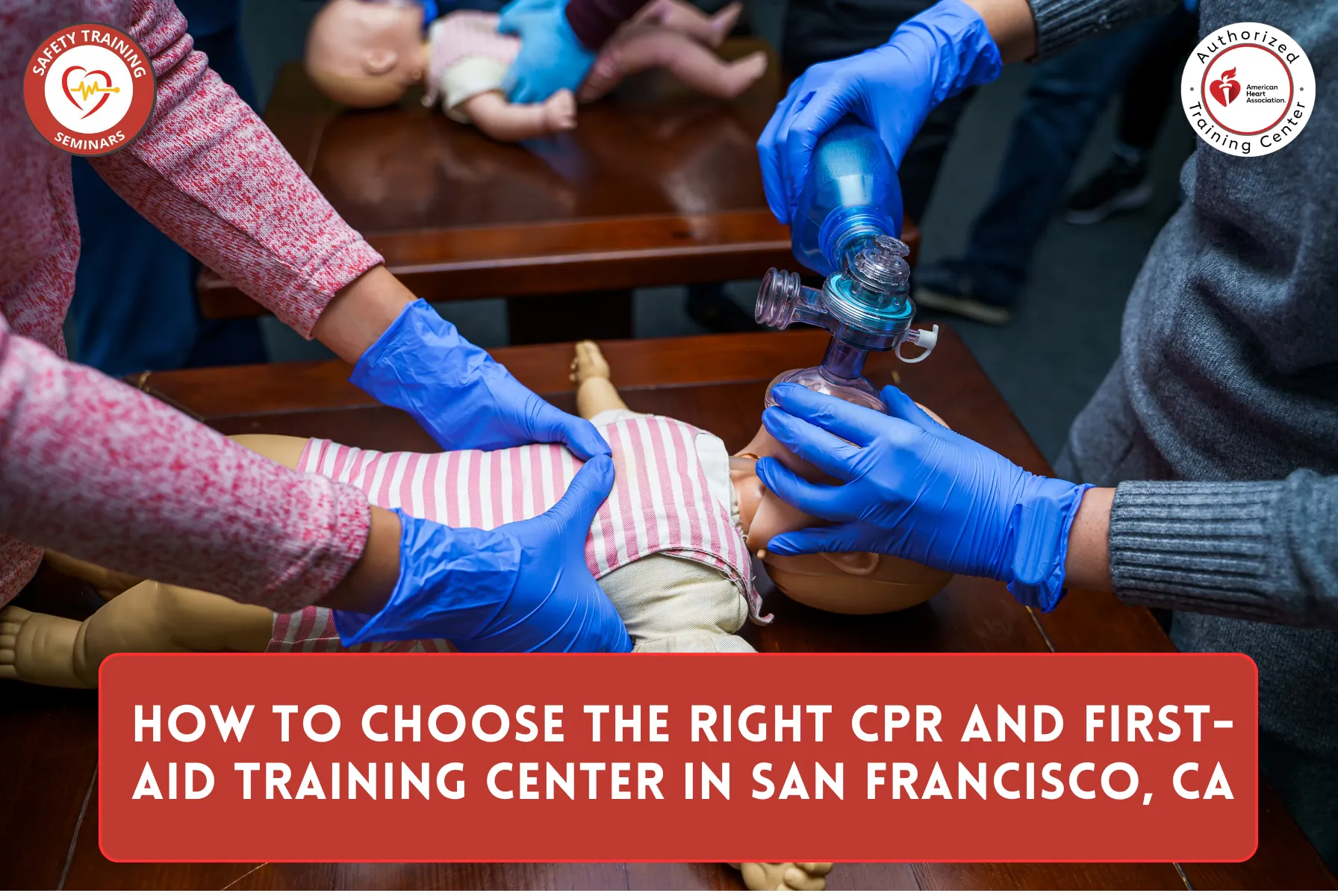
When comparing CPR classes in San Francisco, CA, confirm that you will demonstrate the required skills and receive feedback. Also ask whether online work must be finished before your appointment.
3. Match the Course to Your Work
The right CPR & First Aid Course in San Francisco, CA depends on the setting in which you may respond.
Teachers, childcare providers, coaches, personal trainers, security staff, caregivers, office employees, and workplace safety leads often need a CPR & First Aid Class in San Francisco, CA. Relevant training may include adult, child, and infant CPR, AED use, choking relief, bleeding control, burns, injuries, allergic reactions, and sudden illness.
Imagine a child choking during lunch at a Sunset District childcare center. The closest staff member must recognize the problem and use the correct age-based response. Physical practice matters far more at that moment than a low advertised price.
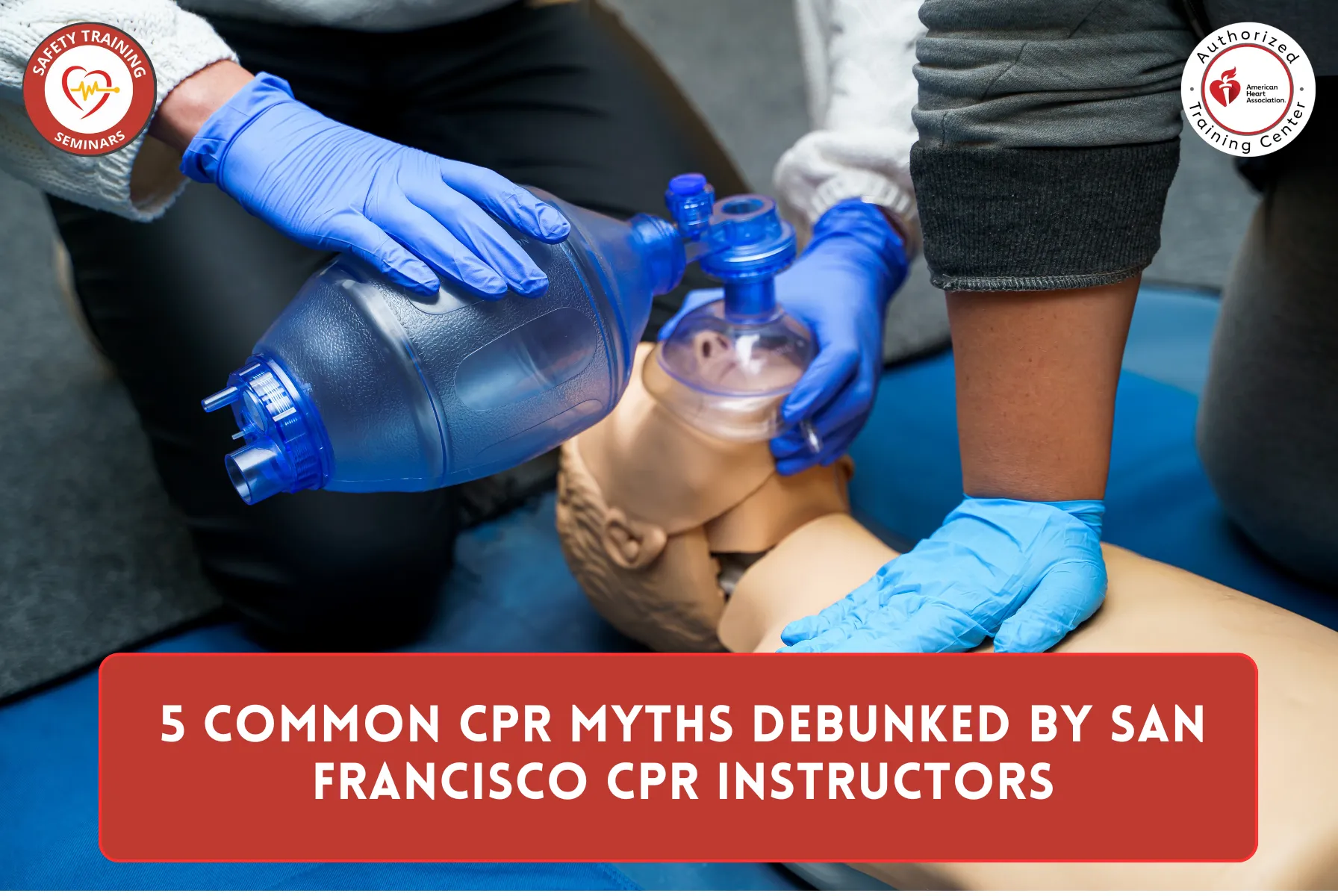
Nurses, nursing students, EMTs, medical assistants, dentists, dental hygienists, pharmacists, and respiratory therapists commonly need a BLS Certification Course in San Francisco, CA. A healthcare-focused CPR BLS class in San Francisco, CA emphasizes high-quality CPR, ventilation, AED use, team response, and care across age groups.
City College of San Francisco’s registered nursing program combines academic classes, laboratory practice, and patient-care experience in local hospitals and facilities. A student preparing for clinical placement should confirm the exact certification required rather than assume general CPR is sufficient.
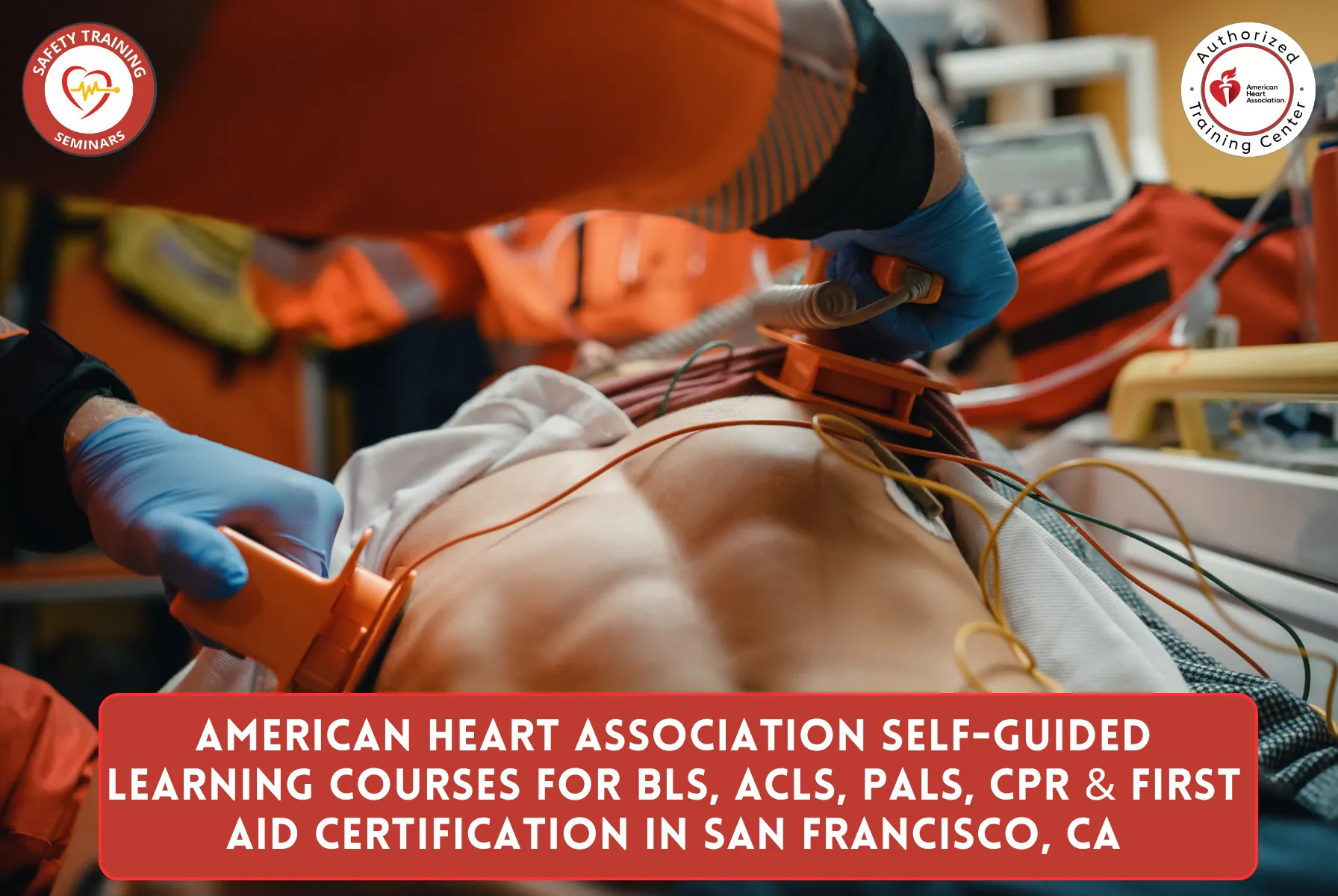
Advanced providers should check whether their role also requires an ACLS Certification course in San Francisco, CA or PALS Certification training in San Francisco, CA. Safety Training Seminars also offers NRP certification training in San Francisco for professionals involved in newborn care.
4. Know What You Will Do During Class
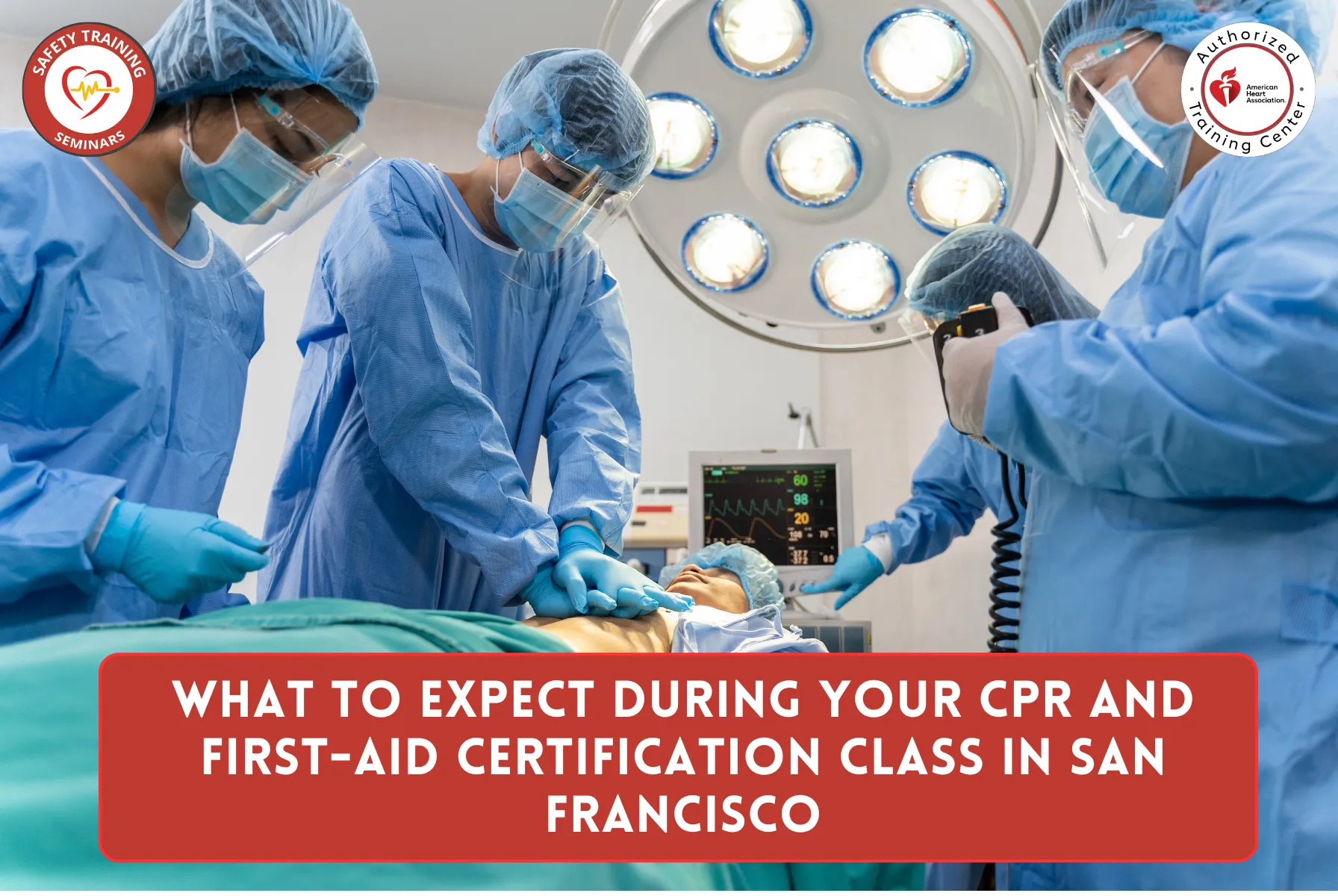
A reputable CPR and First-aid Certification Course should describe the actual class experience. Depending on the selected program, students may practice:
- Recognizing cardiac arrest and breathing emergencies
- Adult, child, and infant CPR
- High-quality chest compressions
- Rescue breathing or ventilation
- AED pad placement and device prompts
- Choking response
- First Aid for bleeding, burns, fractures, allergic reactions, and sudden illness
- Team CPR in healthcare-level courses
- A final hands-on skills assessment
The American Heart Association explains that immediate CPR can double or triple a cardiac-arrest victim’s chance of survival. This is why repeated practice and useful feedback should be central to CPR & FIRST AID training in San Francisco, CA.
5. Test the Location Against Your Real Commute
A CPR training center in San Francisco, CA may look convenient on a map but become difficult once traffic, parking, and transit are considered.
The Safety Training Seminars website identifies its Sunset-area location on Taraval Street. It states that local street parking is available and Muni stops are nearby. The site also notes access from 19th Avenue, Sunset Boulevard, the Great Highway, and Lakeshore Boulevard.
The L Taraval Muni line links the corridor with West Portal, Forest Hill, Castro, downtown Muni and BART stations, and Ocean Beach. This helps learners coming from Parkside, the Inner or Outer Sunset, and downtown.
UCSF’s Parnassus campus includes a hospital, emergency department, clinics, research institutes, and educational facilities, making the location relevant to nearby healthcare workers.
Before selecting CPR classes near San Francisco, CA, test the route at your appointment time and allow extra time for parking restrictions.
6. Confirm Scheduling, Cost, and Card Delivery
The best course is of little use if its card arrives after your deadline. Ask about weekday, evening, and weekend availability, renewal appointments, and urgent booking options.
Safety Training Seminars publishes daily morning and evening classes, weekend sessions, flexible skills-testing appointments, and online registration. The website advertises same-day certification cards after successful completion. For BLS, it specifically states that students receive an AHA eCard after passing the assessment.
Compare the total cost rather than the headline price. Confirm whether online access, skills testing, materials, and certification-card fees are included. Also review cancellation and rescheduling terms. Use the total shown during final registration and ask about unclear charges.
Safety Training Seminars provides local CPR, BLS, ACLS, PALS, NRP, and First Aid training. Each learner should still register only for the credential required for the role.
Five Questions to Ask Before Paying
- What exact certification card will I receive?
- Will this course satisfy my employer, school, childcare, or licensing requirement?
- How much online work and in-person testing are required?
- When will my certification be issued after I pass?
- What is the full price, including materials and card fees?
Clear answers are a good sign; vague promises are a reason to keep comparing.
Frequently Asked Questions
Is CPR and First Aid the same as BLS?
No. The subjects overlap, but BLS is designed mainly for healthcare professionals and adds clinical skills such as ventilation and coordinated team response.
Can I complete the entire course online?
The certification options listed on the site use blended learning, which includes online study and an in-person skills session. Online-only products may not issue a certification card.
How can I tell whether I need AHA or Red Cross training?
Ask the organization requiring your card for the complete credential name in writing. Do not rely only on the phrase “CPR certification.”
Does the CPR and First Aid class cover infants?
The listed blended CPR and First Aid course covers adults, children, and infants. Confirm the curriculum when selecting any other program.
Will I receive certification on the day of my appointment?
The website advertises same-day cards after successful completion. Confirm whether your selected course provides an electronic or physical card.
What should I wear for skills testing?
Wear comfortable clothing and footwear that allow you to kneel, bend, and perform repeated compressions safely.
Are group classes available for local businesses?
The site states that private onsite training is available for businesses, dental offices, gyms, and corporate teams. Confirm group size and scheduling directly with the provider.
Choose Your San Francisco Course Carefully
The right CPR and First-aid Certification Course should match your credential, include hands-on practice, explain testing, and fit your work and travel schedule. Flexible scheduling and same-day certification matter only when the class meets your requirement.
Safety Training Seminars offers CPR, BLS, ACLS and PALS courses in San Francisco, CA, along with NRP and First Aid training. Review the course details, verify the issuing organization, and check the Taraval Street training location on Google Maps before traveling. Once those details align, register for the CPR and First-aid Certification Course that fits your job, school, licensing, or family-safety needs.