Managing shift schedules at major medical centers or coordinating workplace compliance in corporate high-rises makes finding time for certification renewal a constant challenge. Clinicians at UCSF Parnassus or Mission Bay, nursing students, and corporate safety coordinators across San Francisco, CA need an efficient, dependable way to satisfy professional credentialing rules. Between tight clinical rotations and dense city commutes, dedicated healthcare providers require clear guidance on obtaining valid Basic Life Support credentials without sacrificing hours to unnecessary lectures.
This guide outlines the exact certification requirements for local professionals, explains how hybrid training fits demanding urban schedules, details core clinical skills, and helps you select an accredited course location in San Francisco.
Key Takeaway Medical centers, nursing programs, and emergency response employers require an official American Heart Association (AHA) Basic Life Support (BLS) card featuring an in-person, hands-on skills verification. Online-only certificates without physical manikin practice are routinely rejected by San Francisco hospital networks and licensing boards. A blended learning model provides the necessary flexibility while maintaining complete institutional acceptance.
Understanding San Francisco’s BLS Certification Standards
The Basic Life Support credential reflects mastery in life-saving measures during respiratory or cardiac emergencies. Unlike layperson CPR, a professional BLS CPR Certification Course focuses on high-performance resuscitation, precise ventilation, and rapid multi-rescuer coordination tailored to clinical standards.
In San Francisco, specific professional standards dictate who must hold an active BLS card:
- Hospital Physicians & Resident Staff: Doctors and residents across acute care environments need continuous BLS validation alongside advanced certifications like ACLS or PALS.
- Inpatient & Outpatient Nurses: Registered Nurses, Vocational Nurses, and Nurse Practitioners at major health networks must maintain current credentials to fulfill hospital privileges and department mandates.
- Nursing & Allied Health Students: Students attending clinical placements throughout Bay Area medical facilities must show proof of hands-on BLS training before entering patient units.
- Dental Care Professionals: Dentists, dental hygienists, and registered dental assistants need active BLS cards to meet Dental Board of California continuing education and licensing regulations.
- Corporate & Commercial Emergency Teams: Designated First Aid responders inside high-rise office towers need formal training to handle workplace medical crises before paramedics arrive.
Non-clinical office staff, athletic trainers, and daycare workers typically complete general CPR and First Aid training rather than BLS. Always confirm the specific requirements specified by your employer, school credentialing office, or state licensing board before scheduling a class.
Comparing Training Formats for Busy Bay Area Schedules
Finding an uninterrupted four-hour block for an in-person lecture can be nearly impossible when balancing clinical shifts or back-to-back corporate meetings. Understanding how modern course delivery formats compare helps you choose an option that respects your calendar while meeting strict employer guidelines.
Blended learning allows you to complete cognitive training online at your own speed. Once finished, you attend a focused in-person skills evaluation to demonstrate compressions, ventilation, and defibrillation on feedback manikins. Because an authorized instructor validates your physical technique, the resulting AHA eCard carries the exact same recognition as a full-day classroom course.
Core Skills Evaluated During BLS Practical Testing
To earn your credential, you must demonstrate proficiency in several standardized resuscitation procedures. Practical evaluations ensure every healthcare provider executes technique consistently during high-stress medical events.
1. High-Performance Chest Compressions
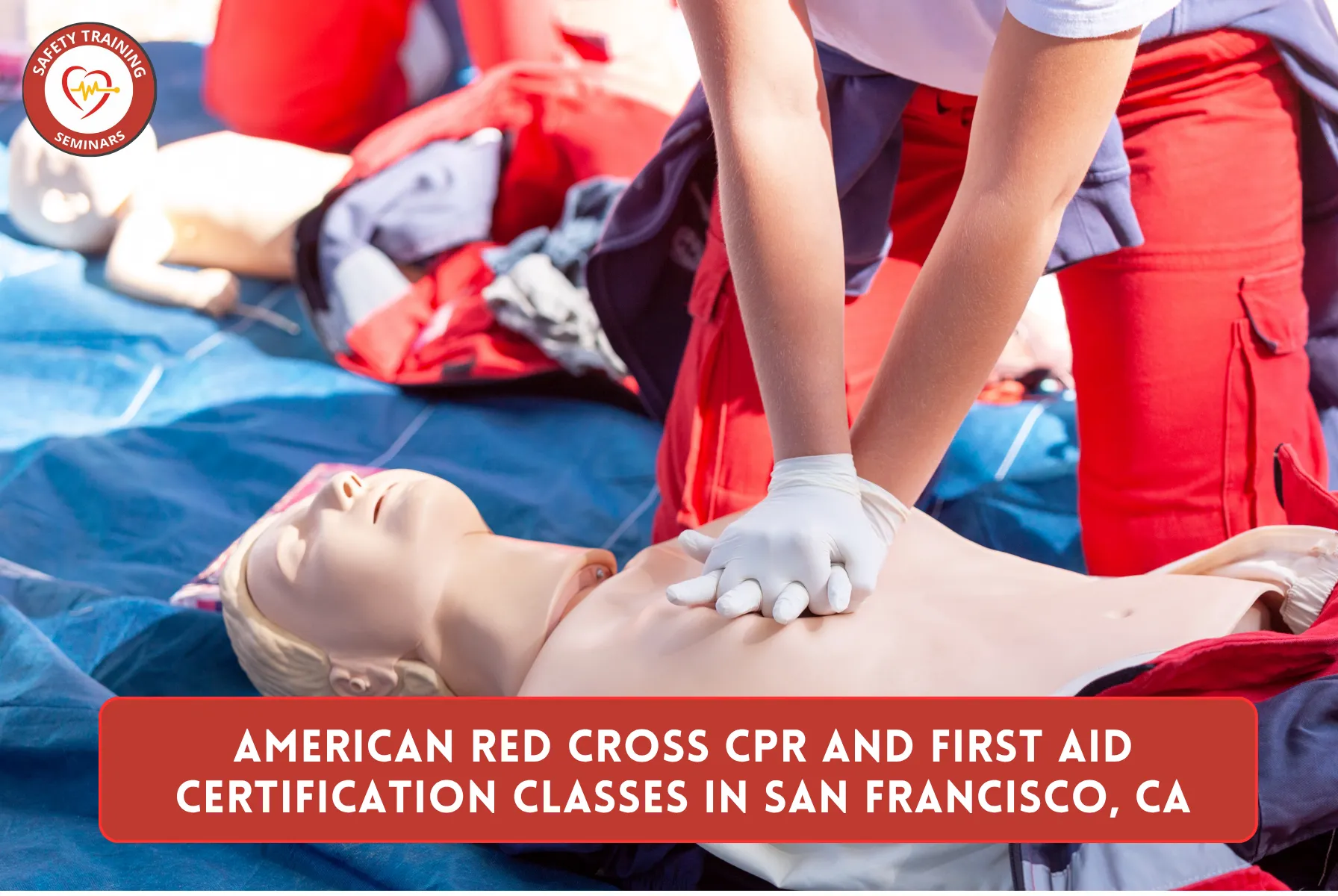
Effective circulation depends on proper mechanics. Evaluators monitor compression rate (100 to 120 beats per minute), depth (at least 2 inches for adults, about 2 inches for children, and 1.5 inches for infants), and complete chest recoil after every push to maximize blood flow to critical organs.
2. Bag-Valve-Mask (BVM) & Barrier Ventilation
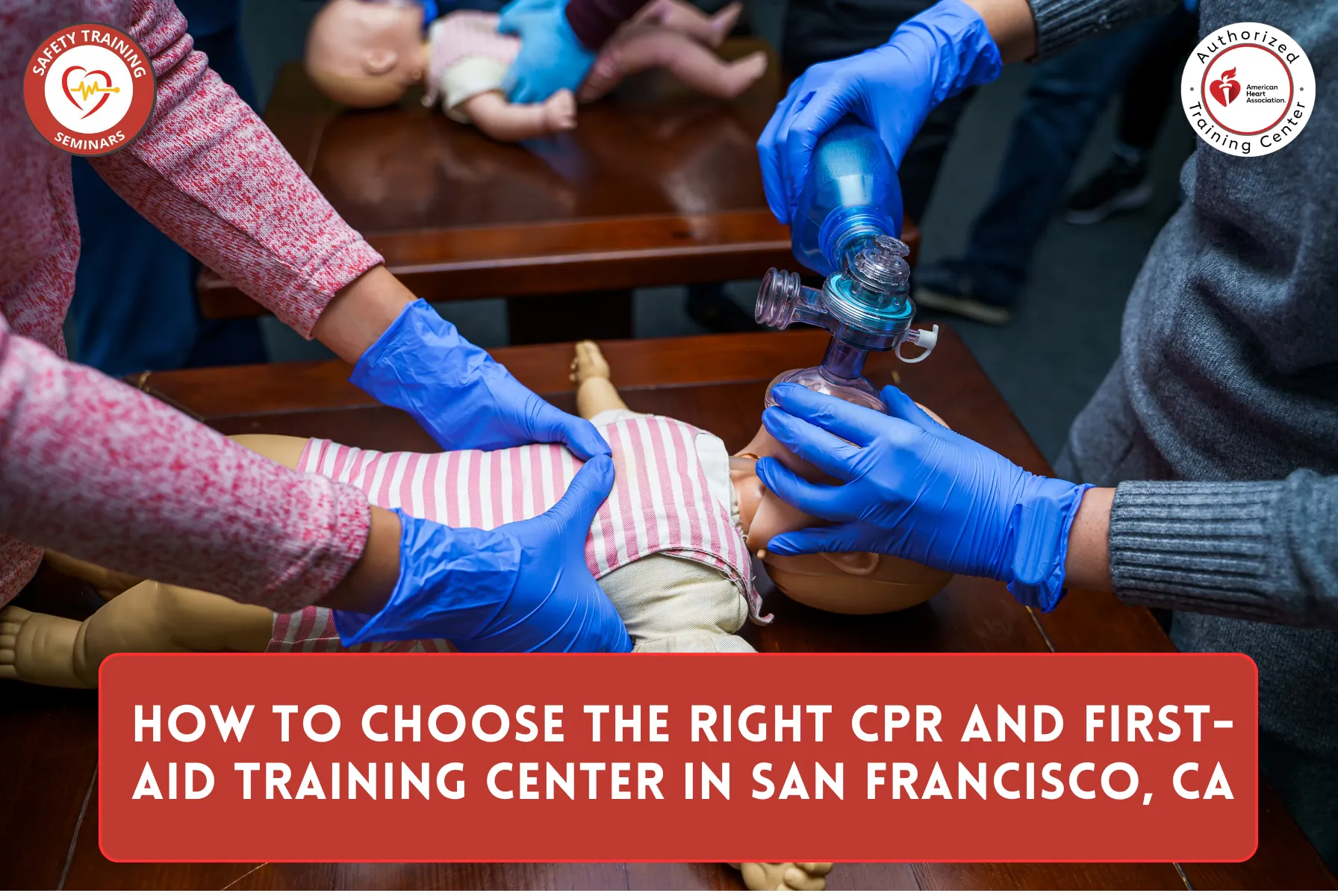
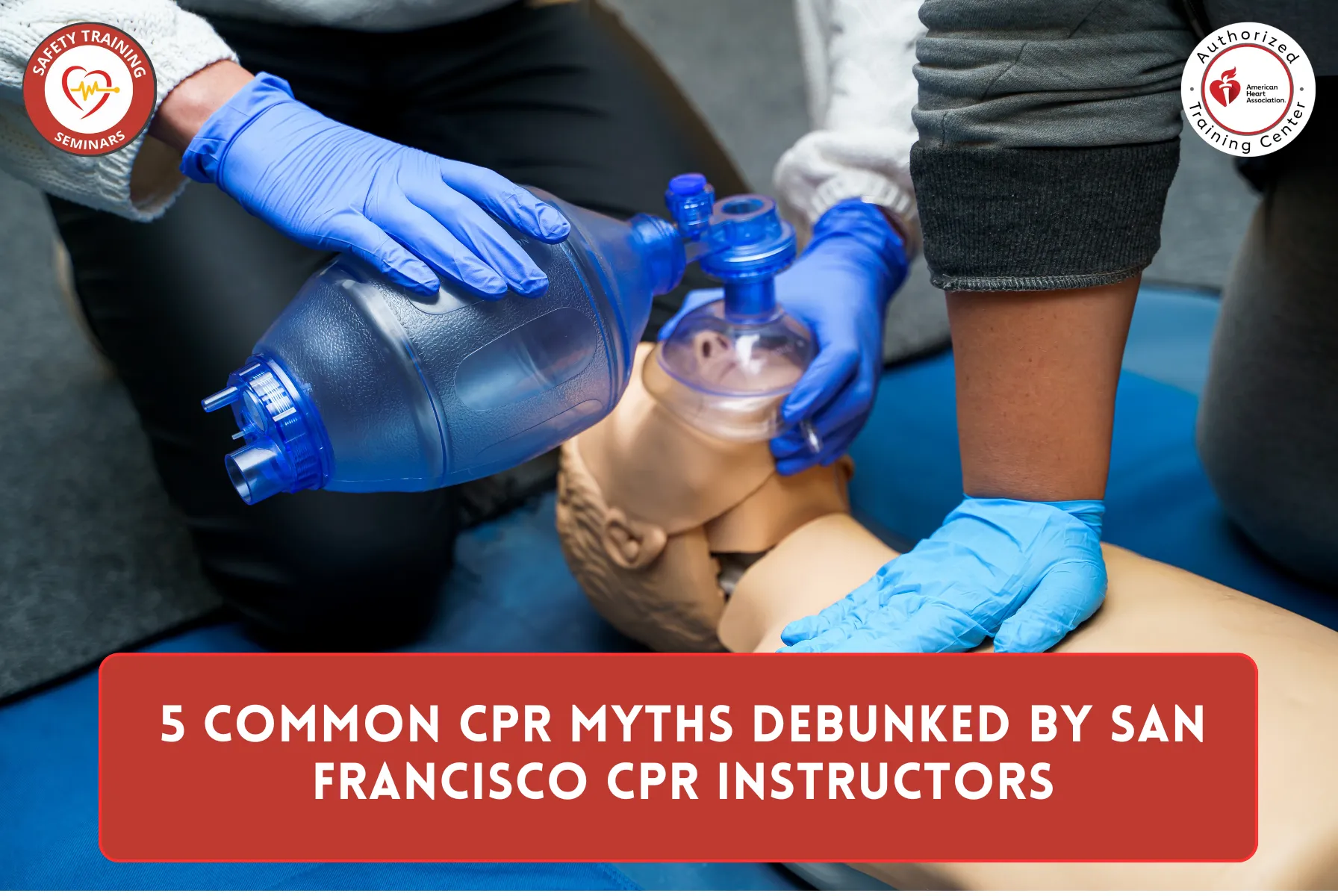
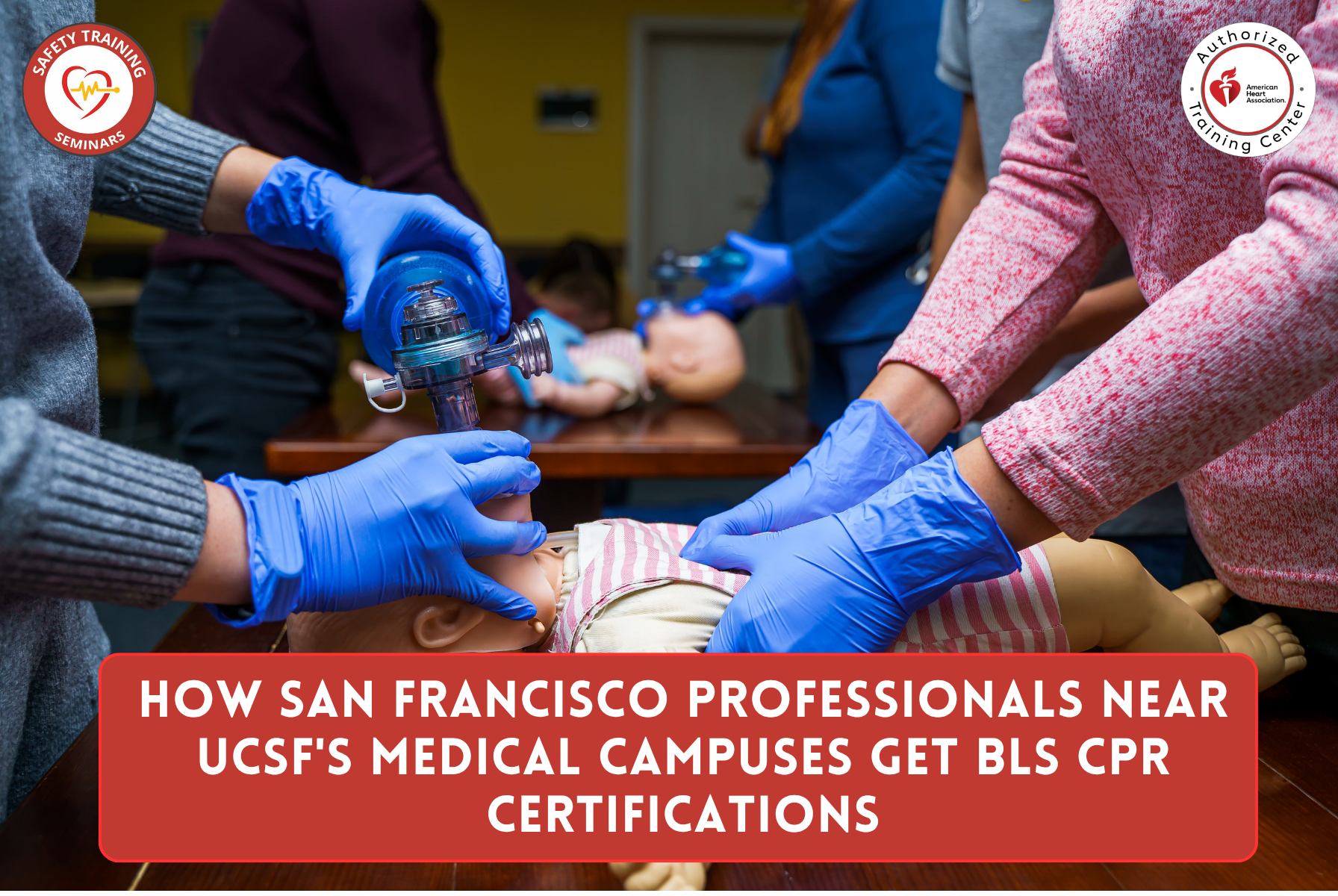
Proper airway management requires delivering effective ventilations while maintaining an airtight seal. You will practice single-rescuer pocket mask techniques and two-rescuer BVM ventilation using the head-tilt/chin-lift or jaw-thrust method to achieve visible chest rise without over-inflating the lungs.
3. Automated External Defibrillator (AED) Operations
Rapid defibrillation dramatically improves cardiac arrest outcomes. Testing covers turning on the unit, applying pads quickly, allowing the device to analyze heart rhythms, and clearing the patient safely before delivering a shock.
4. Team Resuscitation Dynamics
Clinical care relies on team speed and communication. You will demonstrate multi-rescuer coordination, switching compression roles every two minutes to minimize fatigue and prevent interruptions in CPR.
Common Mistakes When Scheduling BLS Training
Busy urban professionals can easily fall into scheduling traps that lead to rejected cards or credential gaps. Reviewing these common oversights helps keep your clinical file compliant.
- Purchasing Unaccredited Online Cards: Be cautious of websites advertising “instant 100% online CPR certificates.” San Francisco hospital systems, medical registries, and academic institutions reject certificates issued without physical skills verification.
- Confusing Layperson CPR with BLS: Enrolling in a general workplace CPR course instead of a healthcare provider BLS class will leave you without required clinical competencies, such as two-rescuer ventilation and team dynamics.
- Overlooking Card Expiration Dates: BLS certification expires two years from the end of the month in which it was issued. Allowing your card to lapse can result in temporary suspension from clinical rotations or hospital shifts.
- Misjudging City Transit & Commute Times: Commuting between downtown medical centers and outlying neighborhoods during peak hours can cause missed appointments. Selecting a location along accessible transit corridors ensures punctual arrival for your skills check.
Local Training Support for San Francisco Neighborhoods
Whether you work in central commercial districts or resident-focused communities, accessing efficient certification options simplifies professional compliance across the San Francisco Bay Area.
Safety Training Seminars provides accessible scheduling options designed around the routines of local nurses, physicians, students, and corporate teams.
San Francisco Training Location: Safety Training Seminars San Francisco sunset CPR Training Center Address: 1951 Taraval Street, San Francisco, CA 94116
Positioned in the Sunset District along Taraval Street, this location provides a straightforward venue for completing your hands-on practical evaluation away from congested downtown traffic.
If you work or live in surrounding neighborhoods across the city, you can explore specialized local resources:
- BLS CPR course options in the Financial District
- BLS certification training in Chinatown
- Healthcare provider CPR training in North Beach
- BLS renewal classes near Russian Hill
Healthcare professionals commuting from Nob Hill, Telegraph Hill, Union Square, or the Tenderloin can easily select class times that align with shift handoffs or academic schedules.
Frequently Asked Questions
Do San Francisco hospitals accept blended AHA BLS cards?
Yes, major hospital networks and medical centers throughout San Francisco accept American Heart Association BLS cards completed through blended learning. Full compliance depends on completing the hands-on skills testing with an instructor in person.
What should I bring to my practical skills evaluation?
You must present your completed online cognitive course certificate (printed or digital copy) upon arrival. Wear comfortable clothing that allows you to move freely while performing CPR on manikins positioned on table or floor setups.
How soon will I receive my official BLS card after completing the course?
Official eCards are issued digitally following successful completion of your practical skills evaluation. You will receive an email link directly from the American Heart Association to claim, view, and print your verified eCard for employer records.
Can corporate safety teams in high-rise buildings complete group BLS training?
Yes, workplace teams can organize group sessions or send employees individually to scheduled local skills checks. Confirm whether your workplace safety policy requires full BLS for healthcare/first-responder roles or general Heartsaver CPR/First Aid.
Securing Your BLS Credential in San Francisco
Maintaining valid BLS certification does not need to disrupt your clinical duties or academic workload. Choosing a flexible blended learning route allows you to finish theoretical modules online while reserving in-person time strictly for essential skill verification.
Check your current credential expiration date, review your employer or department standards, and explore available session times at the Safety Training Seminars course location in San Francisco to keep your healthcare qualifications up to date.